Parents & Guardians

 Videos
 Explore
 Tour
Tour Activities
Together we can get your kids BusReady!
Welcome to BC Transit’s BusReady website. It’s built with kids in mind and has resources for your child to learn about safely riding the bus and the importance of transit in your community and the environment.
Riding transit is a big step and a meaningful milestone in your child’s growing independence. We are here to support families every step of the way.
Are you interested in more transit resources?
There are more downloadable resources to help build transit skills.
Introduce your child to the BASICS of taking transit.
Click on the green arrow beside each step to get more information.
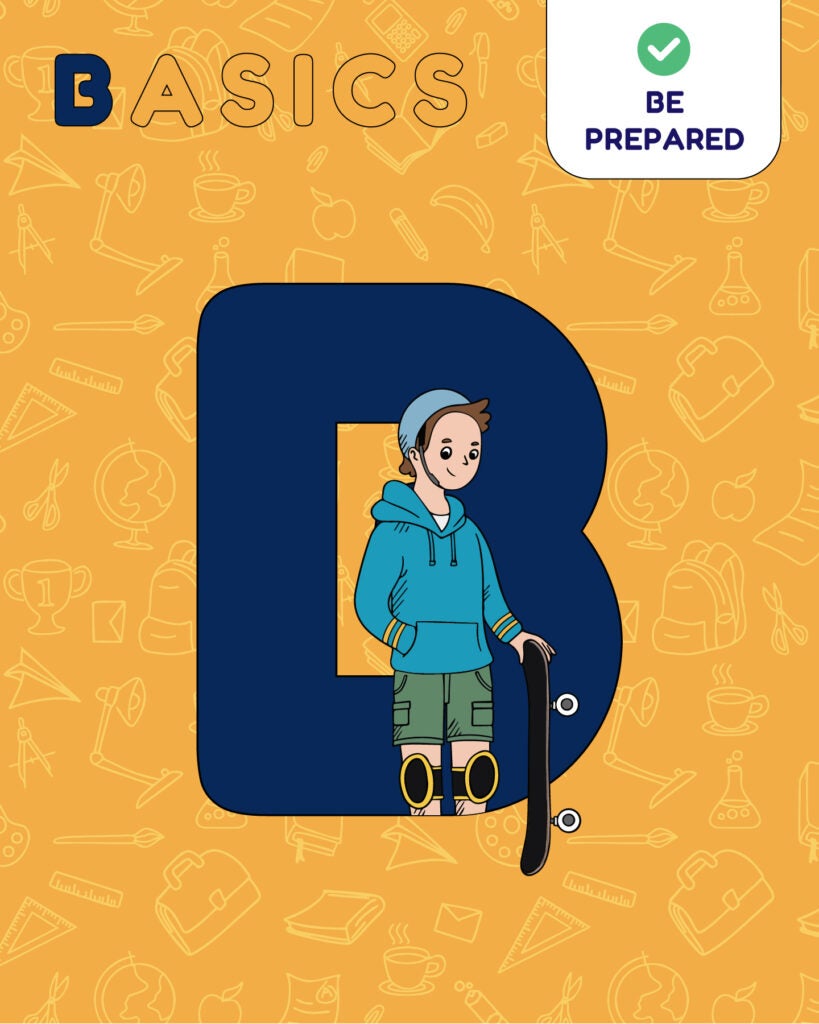
Prepare and answer a few questions before a trip.
Be prepared
Before your child rides the bus, take the time to plan the trip together. This helps build confidence and reduces stress for everyone. You can use the BC Transit Trip Planner and go through these questions together:
Where are you going?
Enter the destination into the Trip Planner to see the best route options.
Who will you be riding the bus with?
Whether they’re riding alone or with a friend, discuss what to do if they feel unsure or need help.
Which bus route do you need?
The Trip Planner will show the route name and number of the bus that will get your child where they need to go.
Please remind your child to check the route name and number on the front or side of the bus before boarding.
Where do you get on and off the bus? Do you need to transfer to another bus?
The Trip Planner will show the stops closest to the start of the trip and will show if you’ll need to transfer to another bus to get to the destination.
What time does the bus arrive?
Check the schedule for the route and be at the stop at least five minutes before the bus is scheduled to arrive.
Planning ahead is key to alleviating any worries or stress about taking transit together or preparing your child to ride on their own.
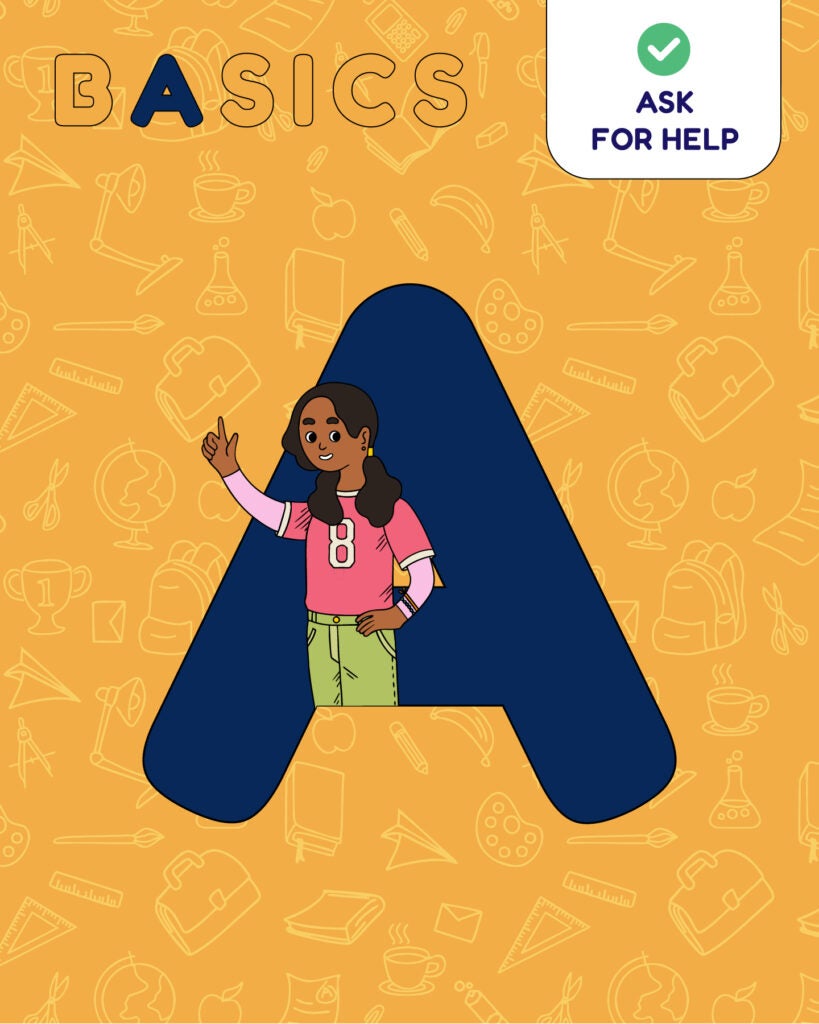
Drivers can help keep everyone safe and get you where you need to go.
Ask for help
BC Transit bus drivers are trained professionals who can help riders in need. Let your child know that the driver is someone they can go to if they feel lost, unsure, unsafe or have a question. If your child needs to ask a question, let them know they can go and ask when the bus has stopped. But if it’s urgent, they can go to the driver right away.
If there’s an emergency, drivers can use their radio to call for help, like police, fire or ambulance services.
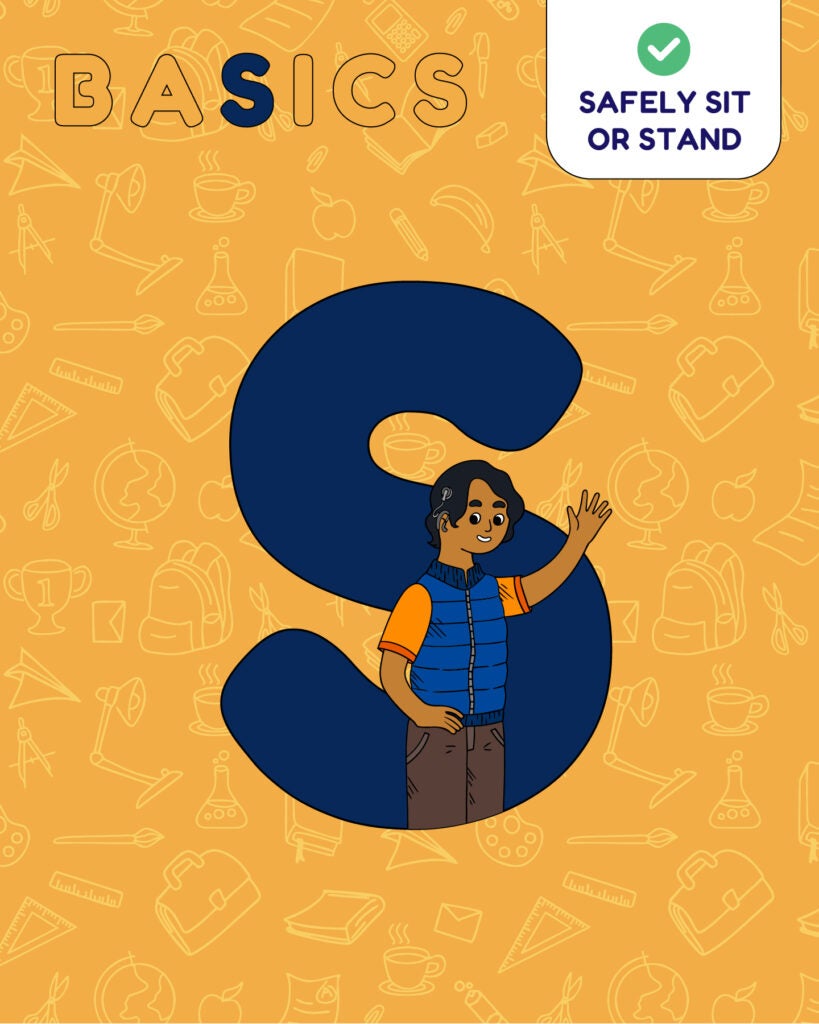
Find a seat or place to safely stand during your ride.
Safely sit or stand
Depending on how busy the bus is, your child can find a seat or stand during the ride. There are poles and handrails to make sure riders are safe and balanced throughout the ride.
It’s important to let them know that the seats at the front of the bus are called Courtesy Seats or Accessible Seating, and they are for people who need them the most. They are for riders who need extra time, space or help to get on and off the bus safely.
Remind your child that if they’re sitting in a courtesy seat and someone who needs it boards the bus, they should offer their seat whenever possible. It’s a great opportunity to practice kindness and respect by offering their seat.
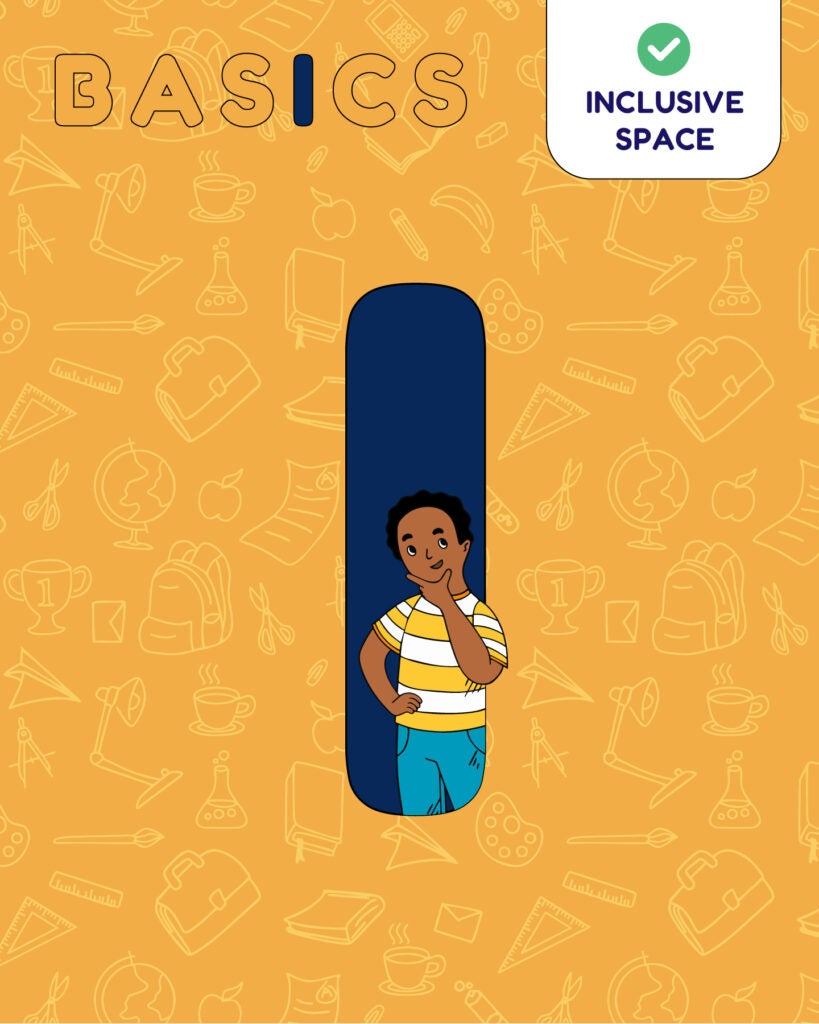
Public transit is a shared space. It takes everyone to take care of it.
Inclusive space
Public transit is more than just a way to get from point A to point B – it’s a gateway to independence, connection and community. When children learn to navigate transit, they gain confidence, build life skills and feel a sense of belonging in the world around them.
As a parent, you can help your child become a thoughtful and respectful rider by practicing a few key habits together:
- Keep bags close: Encourage your child to hold backpacks or large items on their lap or place them by their feet. Bags that swing or block the aisle can make it harder for others to move safely.
-
Seats are for people: Bags, feet and wet umbrellas don’t belong on seats. Keeping seats clear means more people can sit, especially when the bus is busy.
- Use headphones: Listening to music or watching videos is fine, but headphones are essential. Teach your child to keep the volume low and stay alert so they don’t miss their stop.
- Keep calm voices: Chatting with friends is part of the fun, but loud voices, shouting or excessive laughter can distract the driver and make it hard for others to hear stop announcements.
- Take your garbage: If they bring snacks or drinks, they should take any trash with them when they leave.
- It’s important to know and follow the rules: Smoking and vaping are not allowed on the bus or at bus stops.
- Be kind: Transit is a shared experience. Practicing patience, empathy and respect help create a positive environment for all riders.
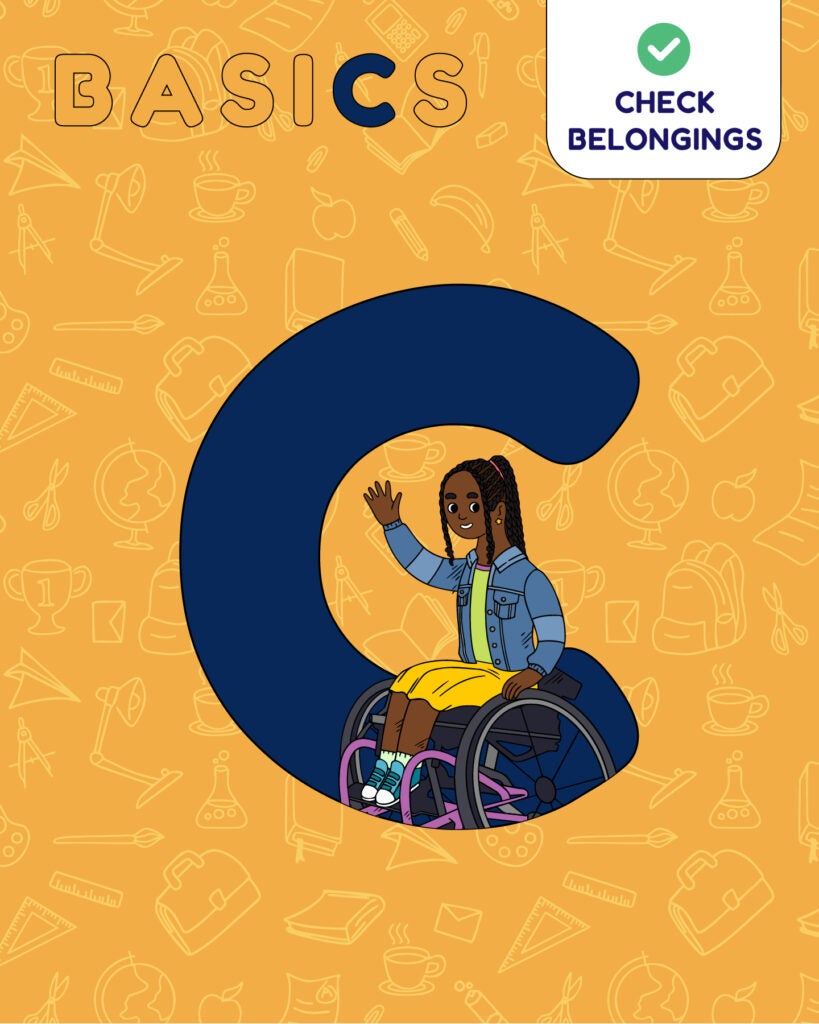
Keep belongings close and make sure you have everything before exiting.
Check belongings
When your child is traveling with a backpack, sports gear, scooter or any large items, teach them to hold items on their lap or place them by their feet when standing.
Before the bus reaches the stop, it’s good practice for your child to check that they have all their belongings. This builds independence and helps avoid lost items.
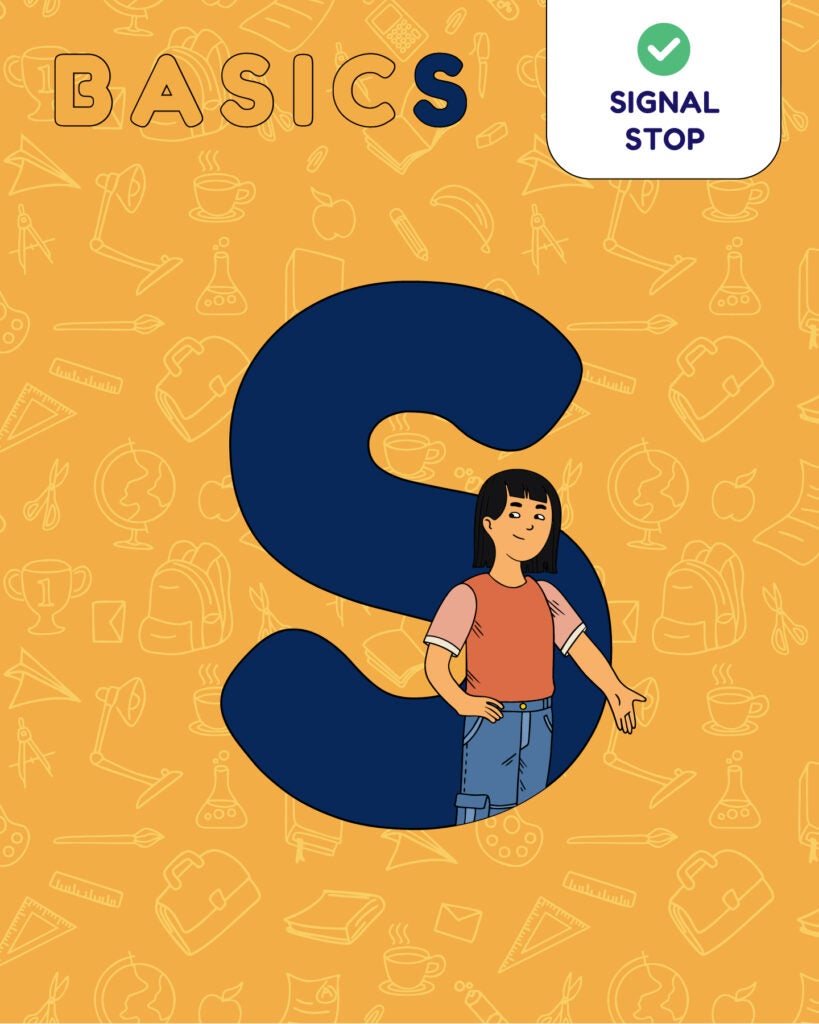
Know your stop and head to the back door to depart in a timely manner.
Signal stop
One of the simplest transit skills you can teach your child is how to request a stop and exit the bus safely. It’s a great way to build their independence and comfort with public transportation.
On your next few rides together, have your child practice pressing the stop button or gently pulling the cord before your stop.
Before getting off, remind them to check for their belongings like their bags, lunch kits or phones. Then guide them toward the rear doors, using handrails or poles to stay steady. The front doors are best reserved for riders who need the ramp or extra assistance.
A quick “thank you” to the driver as they exit is a kind and respectful habit that goes a long way.
These small habits help children feel confident as they navigate public transit independently.
Be sure you run through the BASICS and go through the step-by-step videos on the BusReady home page to help build your child’s transit skills.
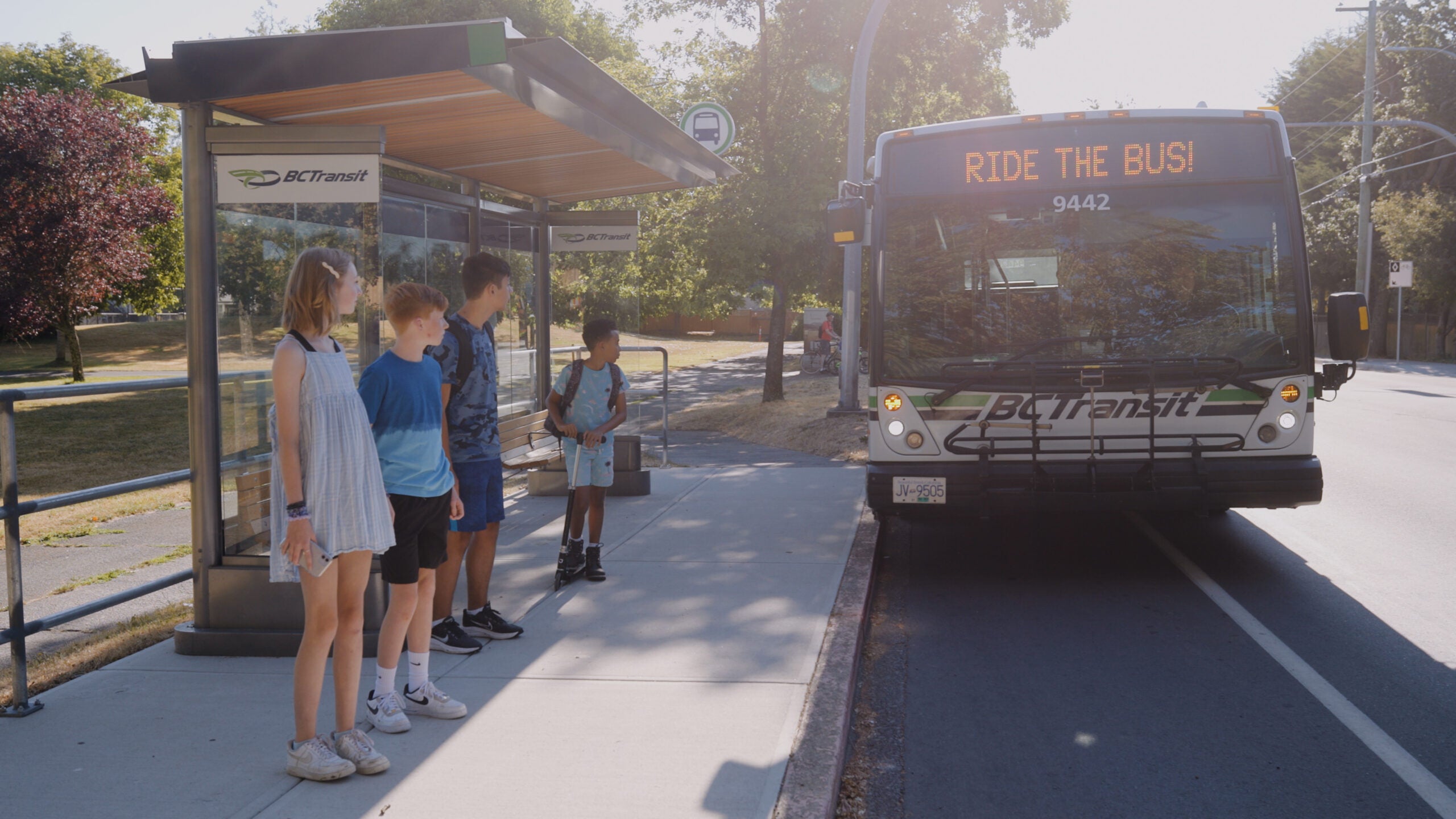
Free Transit for Children 12 and Under
Children aged 6 to 12 are able to ride the bus for free, unaccompanied and without requiring a fare product or identification through the Free Transit for Children 12 and Under program, a Province of BC initiative. Younger children must be accompanied by someone 12 years or older to ride the bus. Learn more about the Get on Board program.
Note to parents and guardians
While travel for children 12 and under is free in B.C., parents and guardians are responsible for educating and making decisions about the safety and care of their children whenever traveling by transit. This includes when children are traveling unaccompanied and determining if their children can or should take transit unaccompanied.
Frequently asked questions
How can I prepare my child to ride the bus?
The best way to prepare your child is to plan and practice together before the first transit trip.
Visit the BC Transit website and select your local transit system to plan your trip. Use the Trip Planner to enter your starting point and destination. You’ll see the nearest bus stop and available routes to get to the destination.
Explore the resources on the BusReady website, including the using the BASICS transit tips, step-by-step videos and the downloadable Parent/Guardian Checklist. Incorporating public transit into your child’s routine can help build confidence and remove any uncertainty when they ride on their own. Practice going to places like the store, park, recreation centre and school. Read schedules, find stops, and navigate the bus system together.
These experiences build essential skills and reduce uncertainty when it’s time to ride independently.
How do I make sure my child is safe taking the bus?
Safety is BC Transit’s top priority.
BC Transit has a comprehensive Safety Code to ensure that all passengers and transit staff understand their responsibilities and to create a respectful, inclusive environment for everyone.
Our drivers are trained to assist children and can contact emergency services if needed.
BC Transit works closely with local police and first responders to ensure rapid support when necessary. If your child ever feels unsafe while riding the bus, they are encouraged to speak to the driver. Let your child know they can sit close to the front near the driver and follow the driver’s instructions.
Serious incidents are rare, but we encourage open conversations with your child about what to do if they feel unsure or uncomfortable.
What if my child misses the bus or the bus doesn’t stop?
Whether your child misses the bus or the bus is too full to stop (called a pass-up), it helps to have a plan in place. Talking through these situations ahead of time builds confidence and keeps your child safe.
Make a backup plan
- Talk about what to do: Should they wait for the next bus? Call a parent or guardian? Walk to a nearby safe place?
- Look at other options: Review other bus routes together so they know there’s a backup if needed.
- Practice the steps: If possible, walk through the routine so your child feels ready and knows what to expect.
Understanding pass-ups
Sometimes buses are too full to safely take more passengers. Effective August 18, 2025, buses in the Victoria region show “Standing Room Only” when all seats are taken. Drivers will still stop and open the doors so more riders can board, if there’s room to stand safely behind the red line.
If the bus doesn’t stop or your child can’t get on, they should wait calmly for the next one. It’s not safe to chase or run after a bus.
Safety first
- Encourage your child to stay calm, follow traffic rules and wait in a safe, visible spot.
- Build in extra time for the walk to the bus stop. Arriving five minutes early avoids rushing.
What are some tips to help prepare for weather conditions?
Weather in British Columbia can be unpredictable, and it often affects public transit. Snow, ice and heavy rain may cause delays, detours or even cancellations. Helping your child prepare for these changes ensures they stay safe.
Dress for the day
- Layer up in cold weather and choose waterproof gear when it is wet.
- Bright or reflective clothing and backpacks improve visibility, especially on dark or rainy mornings.
Stay safe at the stop
- Teach your child to stand at least one meter back from the curb while waiting.
- Encourage them to stay alert and avoid distractions like phones or earbuds.
Stay informed
- Check the BC Transit website or sign up for service alerts to get real-time updates on route changes or delays.
- Check the trip planning app together so your child can learn how to check schedules independently.
Which BC Transit systems provide free transit under this program?
This program applies to all BC Transit systems across British Columbia, including fixed-route, custom, paratransit, community, commuter systems and Health Connections buses.
At what age do children ride the bus for free in BC?
Free Transit for Children 12 and Under program is a Province of BC initiative allowing children aged 6 to 12 to ride fixed-route and handyDART buses in B.C. for free, unaccompanied and without requiring a fare product or identification.
Children aged 5 and under must be accompanied by someone aged 12 or older to ride the bus and must board and depart at the same stop as their guardian.
Do children need to show ID to ride the bus?
No, children aged 12 and under are not required to present a fare product or valid ID. BC Transit uses the honour system to support this program.
At what age does my child start paying a transit fare?
Paid transit fares start when your child turns 13 years old.
Depending on your transit system, there are:
- Concession fares your child may be eligible to use or student passes.
- Extended free fare or fare products for youth older than 12 years old.
Please check your system on the BC Transit website or local government website.
What happens if my child forgets something on the bus?
If your child leaves an item on the bus, contact your local transit office as soon as possible. You can find contact details by selecting your transit system on the BC Transit website.
Be ready to provide a clear description of the item, as well as the route and time it was lost.
Please note: It may take up to 72 hours for items to be processed through Lost and Found.
While our drivers do their best to return lost items, BC Transit is not responsible for lost or stolen belongings. We recommend labeling important items and encouraging your child to double-check before exiting the bus.
Can my child bring their bicycle or scooter on the bus?
Yes, your child can bring their bicycle or scooter, but there are a few things to know:
- Regular bicycles go on the front bike rack. Bicycle rack space is limited as it only holds two bikes. If it’s full when the bus arrives, your child will need to wait for the next bus.
- Electric bicycles can also go on the bike rack if:
- It weighs less than 25 kg (55 lb).
- If there is a lithium battery, it must be removed and carried on board.
- Electric bikes with non-lithium batteries or moped-style scooters are not allowed on the bus or bike rack.
- Foldable scooters, regular or electric, can be brought on board if it’s folded before boarding. Your child should keep the scooter in front of them, either on their lap or by their feet, so it doesn’t block the aisle.
- Tire size matters: Most BC Transit buses can carry bikes with tires up to 3 inches (75 mm) wide. Some buses only fit tires up to 2 inches (50.8 mm).
Get step-by-step instructions with the how to use the bike rack video.
When can children ride alone?
Children aged 6 to 12 can ride for free on their own.
Children aged 5 and under must travel with someone aged 12 or older and get on and off at the same stop.
Parents and guardians decide whether their child is ready to travel alone and are responsible for their child’s safety and care while using transit.
What happens if a young child boards alone?
If a driver believes a child is too young to ride alone or appears in distress, they will keep the child safely on board and call for assistance.
Will drivers check ID or proof of age?
No. Children aged 12 and under do not need to show ID or a fare product.
BC Transit relies on the honour system, and riders aged 13 and older are expected to pay a fare. Parents and guardians are responsible for ensuring their children have a fare product when needed.
Does the program include handyDART?
Yes. Children aged 6 to 12 can ride handyDART for free without a fare product.
Children aged 5 and under ride free when accompanied by an attendant. Customers still need to apply for handyDART service, but there is no fee to apply.
By preparing your child with the knowledge, routines and safety habits, you’re empowering them to navigate public transit with confidence even when things don’t go exactly as planned.
Resources



Learn the basics
Walk through the tips and questions you need to plan out a trip to learn the basics of taking transit.
Trip planning game
Try out this transit adventure game to see if your child answers all the questions to get to their destination.

Virtual tour
The virtual bus tour can help your young rider know what it looks like inside a bus.
What Parents Say About BusReady
Plan your trip